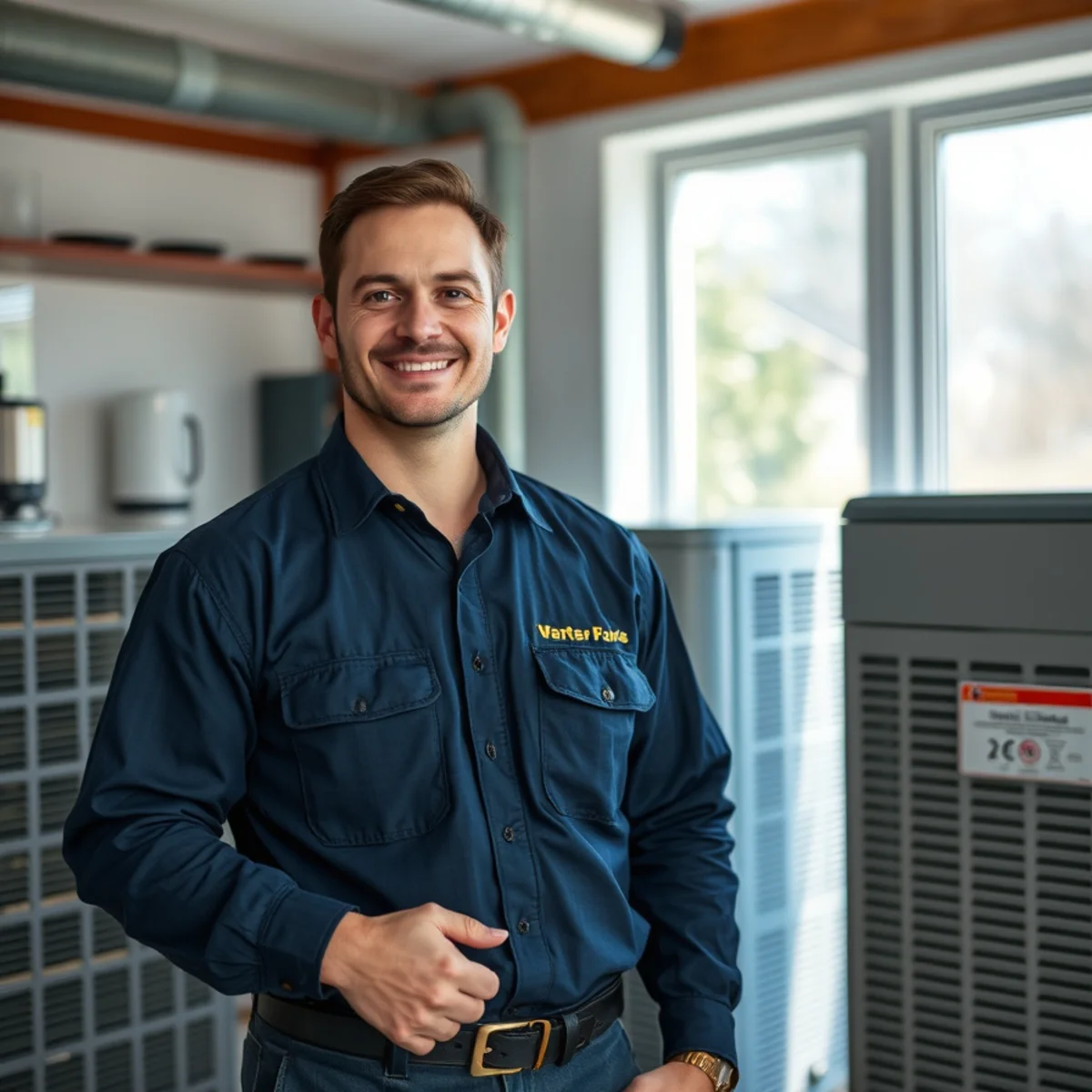
What Those Loud HVAC Noises Really Mean

Written by the Flaming Ice Heating & Cooling team
Owner-operated HVAC pros led by Travis, serving Clayton and North Carolina homeowners with honest, hands-on heating and cooling experience. Questions about your system? Call (327) 210-5999.
A healthy heating and cooling system isn't silent, but it is consistent. After a few years in your Clayton home, you get used to the gentle hum when the AC kicks on and the soft whoosh of air through the vents. So when a new sound shows up, you notice. A bang, a screech, a rattle, a buzz that wasn't there last week.
Here's the truth we share with homeowners across the Triangle every day: your HVAC system communicates almost entirely through sound. A new noise is rarely random. It's your equipment flagging a loose part, a worn component, an electrical issue, or sometimes just a harmless quirk of how the system runs. The trick is knowing which is which, so you don't panic over something normal or, worse, ignore something that's about to leave you without cooling on a 95-degree July afternoon.
Let's decode the most common HVAC sounds, what each one usually means, and when it's time to pick up the phone.
First, What's Actually Normal
Before we get into the alarming noises, it helps to know which sounds are just your system doing its job. These are nothing to worry about:
- A single click when the system turns on or off. That's the thermostat signaling the unit. Perfectly normal.
- A soft, steady hum from the outdoor unit while running. The compressor and fan motor make a low operating noise. As long as it's steady and not new, it's fine.
- A whoosh from the vents as air moves through the ducts when a cycle starts.
- A whooshing or "steam train" sound from a heat pump in winter. This one surprises a lot of North Carolina homeowners. On cold mornings, your heat pump runs a defrost cycle to melt frost off the outdoor coil. You may hear a whoosh, see steam rising off the unit, or notice it briefly blow cooler air. A normal defrost cycle lasts about 10 minutes and shouldn't kick in more than twice an hour. It's the system protecting itself, not breaking.
If the sound is steady, has always been there, and matches one of the above, you can relax. It's the new, loud, or changing noises that deserve attention.
Banging and Clanking
A loud bang or clank is one sound you shouldn't shrug off. Inside the outdoor unit, banging usually points to a loose or broken part rattling around, a failing compressor, or a connecting rod that's worked itself loose. None of those fix themselves, and a part bouncing around inside the cabinet can cause more damage the longer it runs.
If the banging is coming from your ductwork, it can be less serious. Sheet-metal ducts expand and contract as they heat and cool, and that "pop" or "ping" is often just the metal flexing. But a heavy, repeated bang from the equipment itself is a different story.
What to do: If you hear loud banging from the outdoor or indoor unit, turn the system off and call a pro. Running it risks turning a repairable part into a destroyed compressor.
Squealing and Screeching
A high-pitched squeal or screech almost always comes down to a motor problem. The usual suspects are worn bearings in the blower or fan motor, or a motor that needs lubrication. On older systems with belt-driven blowers, it can be a slipping or worn belt.
A screech that's loud and metallic, especially from the outdoor unit, can also signal high internal pressure in the compressor, which is a safety concern worth a same-day look.
What to do: Squealing won't get better on its own, and a failing bearing can seize the motor entirely. It's not usually an explode-right-now emergency, but it's a "schedule a repair this week" situation before the motor dies completely. Our AC repair team handles these calls constantly.
Grinding
Grinding is one of the more urgent sounds. It typically means metal is rubbing on metal, most often worn-out motor bearings that have failed to the point where parts are scraping together. Left alone, grinding can quickly destroy the motor.
What to do: Shut the system off when you hear grinding. Continuing to run it almost guarantees you'll replace the whole motor instead of just the bearings. This is a same-day call.
Buzzing
Buzzing is the catch-all electrical sound, and it covers a wide range of causes. It might be a failing capacitor (a common, fairly inexpensive part that helps motors start), loose wiring, a faulty contactor, or a relay struggling to do its job. Sometimes buzzing is simply loose hardware or a panel vibrating against the cabinet.
In our area, buzzing can also mean something has crawled into the outdoor unit. It's not unusual around Clayton and Johnston County for wasps, debris, or even small critters to find their way into the cabinet and interfere with the fan.
What to do: Because buzzing often signals an electrical issue, it's not something to troubleshoot with your hands inside the unit. A failing capacitor that's left alone can take out the compressor with it. Turn the system off if the buzzing is loud or constant, and have it checked.
Hissing or Bubbling
A hiss or a bubbling sound deserves real attention because it frequently points to a refrigerant leak. Refrigerant runs through your system under pressure, and a leak in the lines or coil can produce a hissing (gas escaping) or gurgling/bubbling (liquid refrigerant) sound.
A refrigerant leak does two things, both bad: it slowly kills your cooling performance, and the refrigerant itself shouldn't be released into your home or the air. A quieter hiss can also come from a leak in the ductwork, where conditioned air is escaping before it reaches your rooms.
What to do: If you suspect a refrigerant issue, call a professional. Refrigerant handling is regulated and requires proper equipment. If you're losing cooling along with the hissing, our heat pump repair and AC technicians can find and seal the leak and recharge the system correctly.
Rattling and Vibrating
Rattling is often the most benign sound on this list, and frequently the easiest to fix. It can be loose screws on an access panel, twigs and leaves that blew into the outdoor unit, or a slightly loose component. But rattling can also be an early warning that a part is starting to come loose before it becomes a bang.
What to do: With the system off, you can safely check the outdoor unit for debris and make sure the access panels are snug. If the rattle persists after that, have it looked at before the loose part causes more trouble.
Clicking That Won't Stop
One click at startup is normal. Constant or rapid clicking is not. Repeated clicking often points to a relay or thermostat problem, or a failing contactor that can't hold a steady electrical connection. It can also mean the system is trying and failing to start, which puts strain on components.
What to do: Persistent clicking usually means an electrical control component is on its way out. It's worth a diagnostic before the system stops starting altogether.
Why North Carolina Homes Are Hard on HVAC Parts
Our climate plays a real role in why these noises crop up. The long, humid cooling season around Clayton means your system runs for months at a stretch, and all those running hours wear on bearings, capacitors, and contactors. Spring pollen coats outdoor coils and clogs filters, forcing the system to work harder and run longer, which accelerates wear on the very parts that start making noise.
And because so many Triangle homes run heat pumps, the equipment works nearly year-round instead of getting a long off-season to rest. More runtime means parts simply reach the end of their life sooner. This is exactly why regular HVAC maintenance pays for itself. A technician catches the weak capacitor, the dry bearing, or the loose panel during a quiet tune-up, long before it announces itself with a 2 a.m. screech.
When a Noise Is a Real Emergency
Most sounds give you a little time to schedule a repair. A few don't. Turn your system off and call right away if you notice:
- A burning or electrical smell along with any noise
- Loud banging or grinding that suggests a part is broken loose
- Hissing combined with a loss of cooling, pointing to refrigerant
- Any noise paired with the system tripping its breaker repeatedly
When you're dealing with one of these, running the equipment usually makes the damage worse and more expensive. If it's late, the weekend, or the middle of a heat wave, that's exactly what our emergency HVAC service is for.
The Bottom Line
Your HVAC system tells you when something's wrong, usually long before it quits entirely. Learning to read those sounds, the harmless hums and whooshes versus the banging, grinding, and hissing, can save you from an inconvenient breakdown and a bigger repair bill.
When a new noise has you unsure, you don't have to guess. Flaming Ice Heating & Cooling is owner-operated right here in Clayton, and our lead tech Travis will diagnose the sound in plain English, with honest, no-upsell pricing and no pressure. We text before we arrive, and we offer same-day and weekend service when you need it fast.
If your system is making a noise that worries you, call (327) 210-5999 or reach out through our contact page. We'll help you figure out whether it's a quick fix or something that needs attention before it leaves you sweating.

Need a hand from a local HVAC pro?
Flaming Ice Heating & Cooling offers honest, same-day service across North Carolina. Get a straight answer and a fair price.
Call (327) 210-5999Frequently Asked Questions
Grinding, loud banging, and hissing are the three to take most seriously. Grinding usually means metal-on-metal contact from failed bearings, banging suggests a part has broken loose inside the unit, and hissing often points to a refrigerant leak. For any of these, turn the system off and call a professional, since running it typically makes the damage worse and more expensive.
That whooshing or steam-train sound is almost always a normal defrost cycle. On cold North Carolina mornings, your heat pump briefly reverses to melt frost off the outdoor coil, which can produce a whoosh, visible steam, and a short blast of cooler air. A normal cycle lasts about 10 minutes and happens no more than twice an hour. If it runs constantly or the unit ices over solid, that's worth a service call.
For banging, grinding, loud buzzing, or any noise paired with a burning smell, yes, turn it off. These sounds usually mean a part is failing or an electrical issue is present, and continuing to run the system can turn a small repair into a major one, like replacing an entire compressor or motor. For a minor rattle, you can safely check the outdoor unit for debris and loose panels with the power off first.
Buzzing is typically an electrical sound. The most common causes are a failing capacitor, loose wiring, a faulty contactor, or loose hardware vibrating against the cabinet. Around Clayton, it can also be debris or insects that have gotten into the outdoor unit. Because a failing capacitor can damage the compressor if ignored, it's best to have buzzing diagnosed rather than left to run.
Yes. A single click when the system starts or stops, a steady low hum from the outdoor unit, and a whoosh of air from the vents are all normal. What matters is change. A new, loud, or different sound is your system flagging a problem, so trust your ears. If the noise is steady and has always been there, it's usually fine.
Absolutely. Many of the noises homeowners call about, like squealing bearings, buzzing capacitors, and rattling loose parts, are exactly what a technician catches and corrects during a routine tune-up. Because North Carolina's long cooling season and year-round heat pump use wear parts faster, twice-a-year maintenance is one of the best ways to head off noisy breakdowns before they happen.