
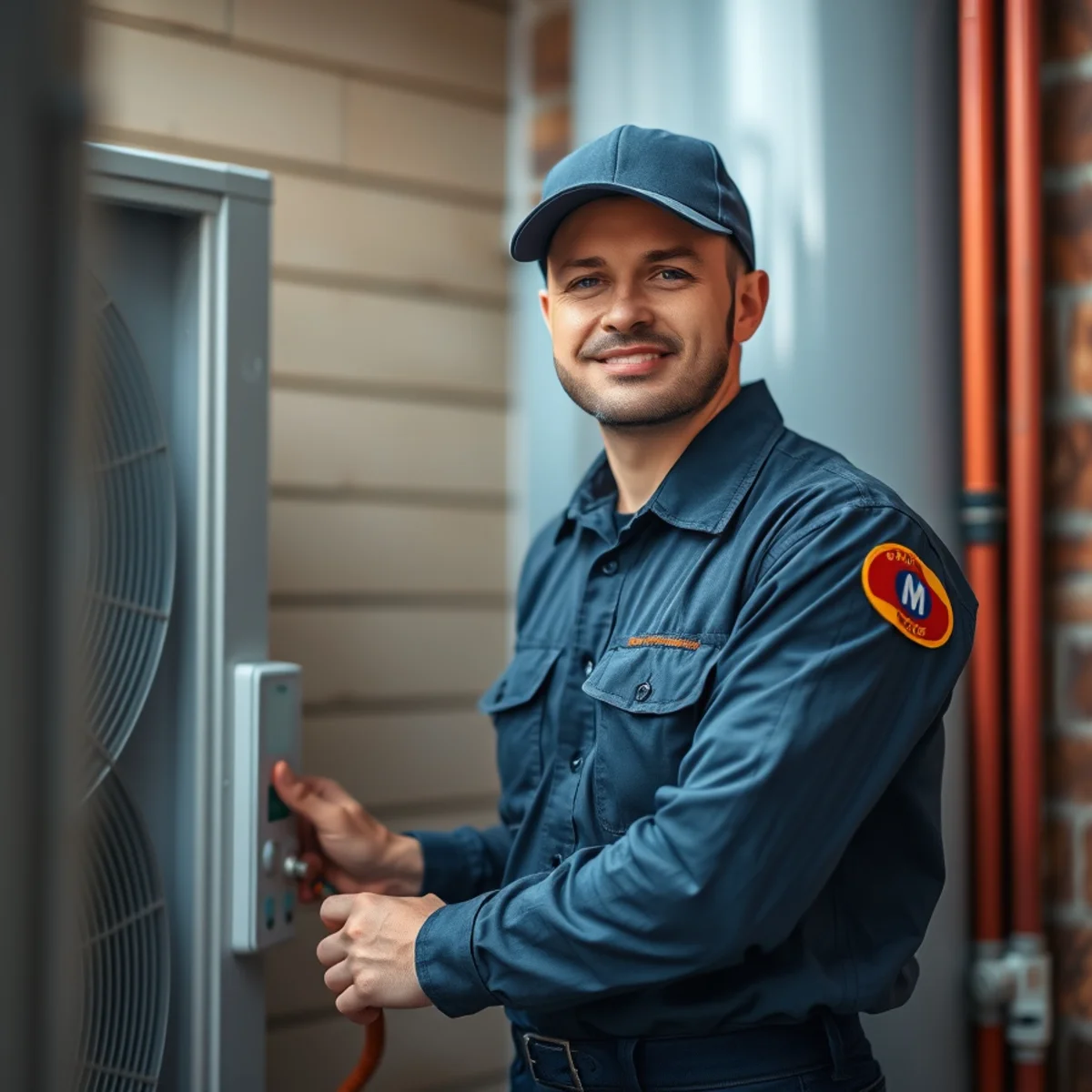
Heat Pump Water Heaters
High-efficiency hybrid water heaters that pull heat from the air to cut your water heating costs — installed honestly.
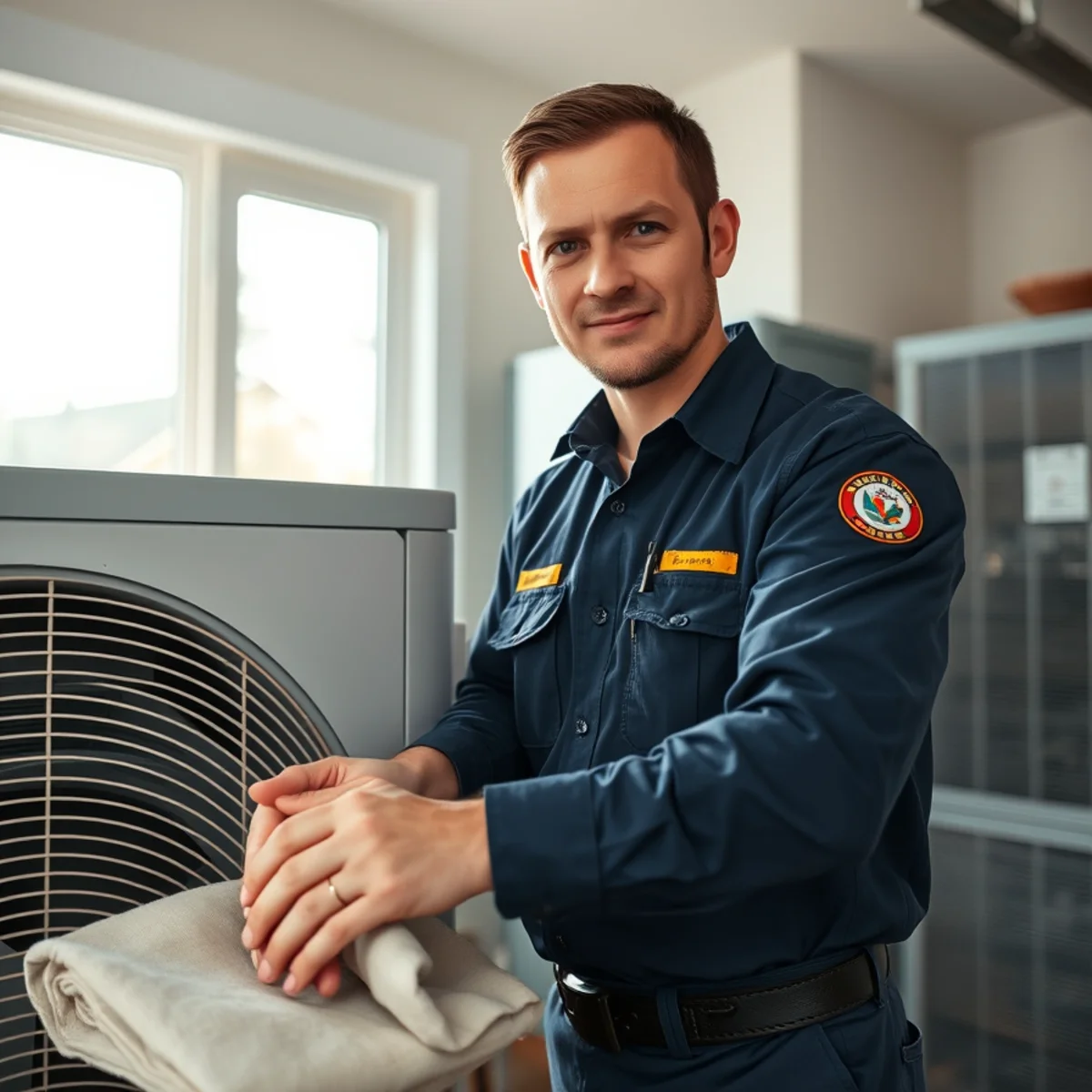
Heat Pump Water Heaters
If your old electric water heater is the quiet money-drainer in your Clayton home, a heat pump water heater might be the smartest upgrade you make this year. These hybrid units pull free heat right out of the air around them and use it to warm your water — running two to three times more efficiently than a standard electric tank.
At Flaming Ice Heating & Cooling, we install heat pump water heaters the honest way. Owner and lead tech Travis sizes the unit to your real hot water use, checks that your space and electrical can actually support it, and tells you straight whether it's the right call for your home — no upselling a tank you don't need.
Serving Clayton, the Triangle, and homeowners across North Carolina, we text before we arrive, show up when we say we will, and back every install with workmanship you can trust. Call (327) 210-5999 to talk through your options.
Quick Takeaways
- Heat pump water heaters pull heat from the surrounding air, running two to three times more efficiently than a standard electric tank — ideal for Clayton's warm, humid climate.
- Proper installation requires enough air space (around a 10x10 room), a 240-volt 30-amp circuit, and condensate drainage; Flaming Ice checks all three before recommending a unit.
- Correct sizing to your household's real hot water demand keeps the efficient heat pump doing the work instead of the backup electric elements.
- You may qualify for federal energy-efficiency tax credits and programs like Duke Energy Smart $aver or Energy Saver NC to offset the higher upfront cost.
- Flaming Ice installs honestly with no upselling, offers same-day and weekend service, and texts before arriving — call (327) 210-5999.
What Is a Heat Pump Water Heater?
A heat pump water heater — often called a hybrid water heater — is one of the most efficient ways to heat water in a North Carolina home. Instead of generating heat directly the way a standard electric element does, it moves heat. Think of it as a refrigerator running in reverse: a refrigerator pulls heat out of the box and dumps it into your kitchen, while a heat pump water heater pulls warmth out of the surrounding air and transfers it into the water in your tank.
That single difference is why these units are so efficient. A conventional electric water heater turns electricity straight into heat at roughly a one-to-one ratio. A heat pump water heater uses electricity only to move existing heat, which is why it can be two to three times more efficient than a standard electric tank. For many Clayton households, that translates into real, year-after-year savings on the power bill.
The "hybrid" name comes from a backup. Inside the same tank sit traditional electric resistance elements that kick in during heavy demand or cold conditions. So you get heat-pump efficiency most of the time, with the muscle of a standard electric heater on the busiest mornings.
Why Heat Pump Water Heaters Fit North Carolina's Climate
Here's the good news for anyone in Clayton or the wider Triangle: heat pump water heaters perform best in warm, humid climates — exactly what central North Carolina delivers for most of the year. Because the unit harvests heat from the air around it, the warmer that air, the harder the heat pump works and the less it has to lean on those backup elements.
Most homeowners put these units in a garage, utility closet, or basement, and our long NC cooling season keeps those spaces in the unit's happy zone — generally between 40°F and 90°F. There's even a bonus: as a heat pump water heater runs, it blows out cool, dry air as a byproduct. In a stuffy Clayton garage or a damp basement, that dehumidifying side effect is a genuine perk through our muggy summers.
The one thing to plan for is our occasional cold snap. When the surrounding air drops too low, the heat pump slows down and the backup electric elements take over to keep your hot water flowing. That's normal — it just means efficiency dips for a few cold days a year, not that you ever run out of hot water.
How We Install a Heat Pump Water Heater (What to Expect)
A good install is mostly about getting the details right up front. Travis walks every job before recommending a unit, because a heat pump water heater has a few real requirements a standard tank doesn't.
Space and Air Volume
These units need air to pull heat from — typically around 700 to 1,000 cubic feet of open space, roughly a 10-by-10 room. Cram one into a tiny sealed closet and it starves itself, running the inefficient backup elements far more than it should. We check that your chosen spot has enough air, or talk through louvered doors and other fixes if it's tight.
Electrical
Heat pump water heaters run on a 240-volt circuit and usually want 30-amp service at the panel. Many older Clayton homes already have the right circuit from the previous electric heater, but some need a panel evaluation. We confirm this before install day so there are no surprises.
Condensate Drainage
Because the unit pulls moisture out of the air, it produces condensate — and more of it during our humid NC spring and summer. That water has to go somewhere. Where gravity allows, we route it to a nearby drain; where it doesn't, we add a condensate pump. Getting this right is what keeps your floor dry and the unit running for years.
Sizing It Honestly
This is where the no-upsell promise matters. We size to your household's real "first hour rating" — how much hot water you actually draw during your busiest stretch of the morning. Because heat-pump-only recovery is a touch slower than a standard element, a slightly larger tank often makes sense: it lets the efficient heat pump do most of the work instead of constantly firing the backup. We'll recommend the right gallon size for your family, not the biggest box on the truck.
Repair, Replace, or Upgrade?
If your current electric water heater is leaking from the tank, the answer is almost always replace — and that's the perfect moment to consider a heat pump model. If it's only a bad element, thermostat, or valve, a water heater repair may get you a few more years. We'll tell you honestly which situation you're in.
When you're choosing between a like-for-like standard electric replacement and a hybrid water heater installation, think in terms of total cost over time. A heat pump water heater costs more up front than a basic electric tank, but its lower operating cost works to close that gap, and these units often outlast conventional tanks. Many homeowners also find they may qualify for help: federal energy-efficiency tax credits and programs like Duke Energy's Smart $aver and Energy Saver NC can offset the upfront difference. We're happy to point you toward what's currently available so you can check eligibility.
Value Factors to Keep in Mind
A heat pump water heater isn't right for every spot. If the only place to put it is a small, unheated closet, or your home truly can't spare a 240-volt circuit, a standard electric or tankless water heater may serve you better — and we'll say so. The units also make a low hum, similar to a dishwasher, so placement away from bedrooms matters.
But for the typical Clayton home with a garage or utility area and an aging electric tank, a heat pump water heater is often the clear winner on efficiency and long-term value. The savings show up quietly, month after month, on a bill you were already paying.
Why Clayton Homeowners Call Flaming Ice
We're an owner-operated, residential-first HVAC company right here at 356 N Farm Dr in Clayton — a minority-owned local small business with 71 Google reviews from neighbors across the Triangle. We offer same-day and weekend emergency service, honest pricing with no upsell games, and we text before we arrive so you're never left guessing.
Ask about the Flame Club, our yearly maintenance plan that keeps your whole system — water heater included — running its best year-round. When you're ready for an efficient water heater in Clayton, NC, contact us or call (327) 210-5999.
Signs You Need This Service
- Your electric water heater is old or near the end of its life
- High electricity bills you'd like to bring down
- You're replacing a standard electric tank water heater
- You have a garage, basement, or utility space with room to spare
- You want a more efficient, longer-term water heating solution
- You're building or renovating and choosing new equipment
- You're interested in lowering your home's energy use
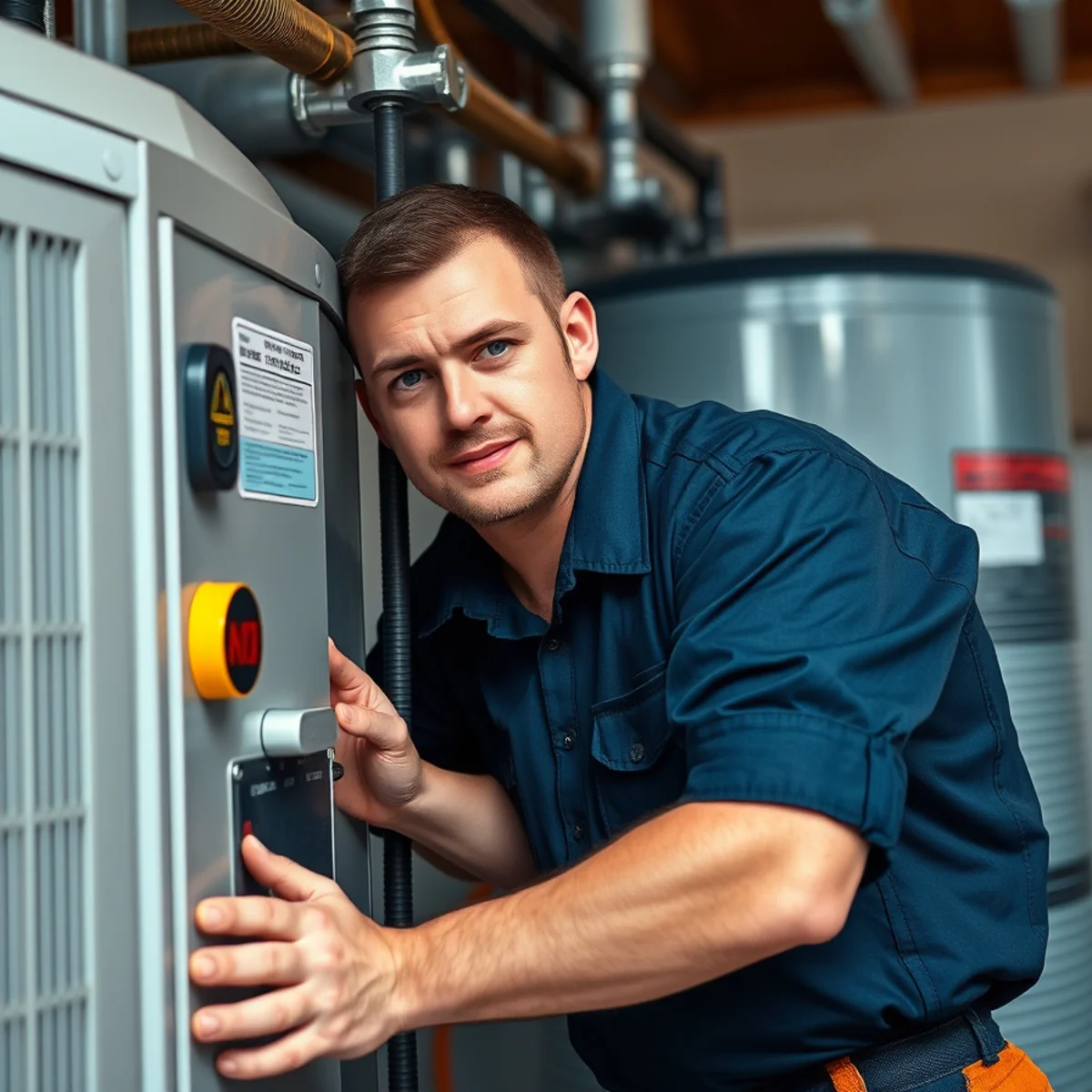
What Our Heat Pump Water Heaters Includes
- Honest assessment of whether your space suits a heat pump water heater
- Proper sizing for your household's hot water demand
- Placement check for air volume, clearance, and drainage
- Removal and disposal of your old water heater
- Full installation with condensate drainage and electrical coordination
- A walkthrough of the hybrid modes and settings for best savings
Why Choose Flaming Ice
- We assess fit honestly — these aren't right for every space
- Proper placement and drainage so it actually performs
- Owner-operated team that understands NC garages and utility spaces
- Transparent pricing and a text before we arrive
Owner-Operated Care
You deal with Travis and an accountable local team on every job.
Same-Day & 24/7
Fast same-day and weekend emergency service when comfort can't wait.
Honest, No-Upsell
Clear options and fair pricing — backed by 71 local reviews.

How Our Heat Pump Water Heaters Works
- 1Honest diagnosisWe inspect your system and pinpoint the real cause — no guesswork.
- 2Clear options & upfront priceYou see your options in plain English and approve the price before we start.
- 3Clean, careful workWe complete the approved heat pump water heaters and treat your home with care.
- 4Tested before we leaveWe verify comfort, airflow, and performance, then walk you through it.
Our No-Surprise Pricing Promise
HVAC pricing shouldn't be a mystery. We explain what's going on, lay out your options in plain English, and get your approval before we touch a thing — so the price we quote is the price you pay.
Get an Honest Quote- A clear diagnosis before any work begins
- Upfront, written options — you approve the price first
- No hidden fees and no high-pressure upsells
- Honest repair-vs-replace advice for your budget
Related Services
Heat Pump Services
Heat pump repair, installation, and maintenance for year-round comfort — the workhorse of NC homes.
Learn MoreEnergy Efficiency & Home Comfort Assessment
A plain-English home comfort assessment that finds why your bills are high and your rooms feel uneven — and how to fix it.
Learn MoreHVAC Installation
Complete HVAC system installation — heating and cooling sized right for your home and budget.
Learn MoreHeat Pump Water Heaters Across North Carolina
We bring this service to Clayton and communities throughout the state.
Heat Pump Water Heaters FAQs
Because a heat pump water heater is two to three times more efficient than a standard electric tank, most households see meaningful, ongoing savings on their power bill. The exact amount depends on your hot water use and current equipment, and the savings tend to add up most in our warm NC climate where the unit runs efficiently for much of the year. We're happy to walk you through realistic expectations for your home — no inflated promises.
Usually, yes — a Clayton garage is one of the best spots, since it stays in the unit's ideal temperature range for most of the year and the cool, dry air the unit produces is a welcome bonus in summer. The main requirements are enough open air space (roughly a 10x10 area), a 240-volt circuit, and a way to drain condensate. Travis checks all of this during the visit so you know up front whether your garage is a good fit.
Yes. When the surrounding air gets too cold for the heat pump to work efficiently, the built-in electric backup elements take over automatically. You'll still have plenty of hot water; efficiency just dips for the handful of truly cold days we get each year. That hybrid design is exactly why these units are dependable in NC's mostly mild but occasionally chilly climate.
For most Clayton homes with a suitable space and electrical setup, yes. It costs more up front, but the lower operating cost works to close that gap over time, and these units often last longer than conventional tanks. Available federal tax credits and NC efficiency programs can further offset the difference. We'll give you an honest read on whether it pencils out for your specific situation.
Most installs are completed in a single visit. The work includes removing the old unit, confirming or setting up the 240-volt electrical, placing the new unit where it has enough air, running condensate drainage, and testing everything. We text before we arrive and leave the space clean. If your electrical needs an upgrade, we'll flag that before install day so there are no surprises.
You may qualify for several. Federal energy-efficiency tax credits apply to qualifying high-efficiency water heaters, and North Carolina homeowners can often tap programs like Duke Energy's Smart $aver and Energy Saver NC. Eligibility and amounts change, so we'll point you toward what's currently offered and let you confirm what you qualify for. Call (327) 210-5999 and we'll help you get started.
Instead of using electric elements to make heat, it moves existing heat from the surrounding air into the water, which takes far less electricity. For a standard electric tank — one of the bigger power users in many homes — that adds up to real savings over time. We'll give you an honest estimate of the impact for your household before recommending one.
Often very well. These units like warm air to pull heat from, and our warm garages and utility spaces fit that for much of the year. As a bonus, they slightly cool and dehumidify the space they sit in. The key is enough air volume, clearance, and proper drainage, which we check during the assessment so it performs as intended.
Ready for Heat Pump Water Heaters?
Call Flaming Ice Heating & Cooling for heat pump water heaters in Clayton, NC and across North Carolina.