

Refrigerant & Freon Service
Refrigerant leak diagnosis and recharge done right — we find the cause, not just top it off and leave.
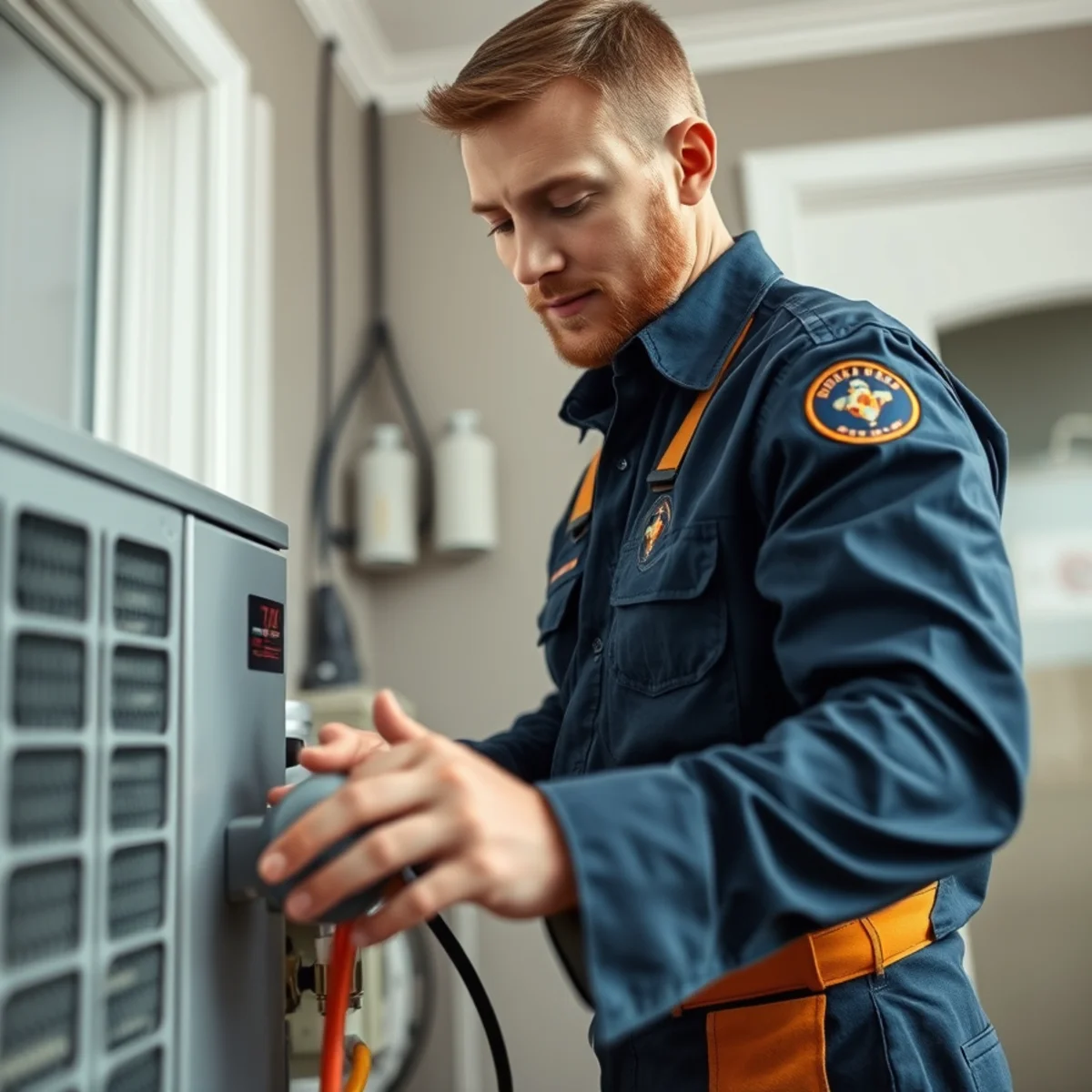
Refrigerant & Freon Service
When your air conditioner is running but the house just will not cool down, low refrigerant is one of the most common culprits we see across Clayton and Johnston County. Here is the truth most homeowners never hear: refrigerant is not fuel, and it does not get "used up." If your system is low, you almost certainly have a leak somewhere — and simply adding more Freon without finding that leak just buys you a few hot weeks before you are right back where you started.
At Flaming Ice Heating & Cooling, refrigerant work is one of those jobs where doing it the honest way actually matters. We are owner-operated by Travis, and we treat your system like it is our own: we diagnose the cause, show you what we find, and recharge it correctly — never just a quick top-off and a goodbye wave.
Below, we walk through what refrigerant service really involves, why leaks happen in our humid North Carolina climate, what to expect when we come out, and how to think about repair versus replacement so you can make a confident call.
Quick Takeaways
- Refrigerant is not consumed during normal use — if your system is low, you have a leak, and topping it off without finding the source just delays the problem.
- We diagnose first: we confirm the charge is actually low, locate the leak, repair the cause, then recharge to the manufacturer's exact specification.
- North Carolina's heat and humidity drive common leak sources like corroded coils and worn connections, which often develop slowly over several seasons.
- Your refrigerant type (R-22, R-410A, or newer R-454B) affects recharge cost and whether repair or replacement is the smarter investment.
- Flaming Ice offers same-day and weekend service, honest no-upsell pricing, and texts before arrival — owner-operated by Travis and serving Clayton and the Triangle.
What Refrigerant Actually Does in Your AC or Heat Pump
Refrigerant is the chemical that makes cooling possible. It cycles continuously through your system in a sealed loop — absorbing heat from inside your home at the indoor coil, carrying it outside, and releasing it through the outdoor unit. In a heat pump, that same loop runs in reverse during winter to pull heat into your home. Because the loop is sealed, a healthy system should never need refrigerant added. Ever.
That is the single most important thing to understand about refrigerant service. Refrigerant does not evaporate, burn off, or wear out. So when a technician tells you the system is "a little low and just needs a top-off," the real question is always why is it low. The answer is almost always a leak. A proper AC repair visit treats low refrigerant as a symptom to investigate, not a problem to mask.
R-22, R-410A, and the New R-454B: Why the Type Matters
Older systems — generally those installed before about 2010 — often run on R-22, the original "Freon." R-22 has been phased out of production, which has driven its price up dramatically; recharging an aging R-22 system is now expensive enough that it often tips the math toward replacement. Systems installed in the 2010s typically use R-410A. And as of January 2025, new equipment in the U.S. is built with low-global-warming refrigerants like R-454B or R-32.
Why does this matter to you? Because the refrigerant in your system affects the cost of a recharge, the availability of parts, and whether repair or replacement makes more sense. We will always tell you which refrigerant your system uses and what that means for your options — no jargon, no scare tactics.
Why Refrigerant Leaks Happen — Especially in North Carolina
Clayton summers are long, hot, and humid, and your AC runs hard for months on end. That constant cycling, combined with our climate, creates real wear. Here are the leak sources we run into most:
- Corroded evaporator and condenser coils. North Carolina humidity, combined with everyday indoor air pollutants, can cause tiny "formicary" corrosion pinholes in coil walls. These are the most common leaks we find, and they often develop slowly over years.
- Vibration and worn connections. Years of the compressor and fan running cause fittings, flare connections, and brazed joints to loosen or fatigue, especially on systems that short-cycle.
- Failing Schrader valves and caps. The small service ports where refrigerant is added can weep slowly — an easy fix once it is actually located.
- Damage at the line set. Lines running between the indoor and outdoor units can be nicked by landscaping, pests, or settling.
- Factory or installation defects. Occasionally a brazed joint was never sealed properly. These show up on newer systems and are exactly why a real diagnosis beats a guess.
Because many of these leaks are slow, a lot of homeowners "live with it" for a season or two, topping off each spring without realizing they are paying for refrigerant that is literally leaking into the air.
Signs It Is Time to Call Us
You do not need to diagnose this yourself — that is our job — but these are the symptoms that most often point to a refrigerant problem:
- The system runs constantly but the house never reaches the thermostat setting
- Air from the vents feels lukewarm even when the AC is clearly running
- Ice or frost on the copper lines or the indoor coil (a classic low-charge sign)
- A hissing or bubbling sound near the indoor or outdoor unit
- Energy bills creeping up with no change in your habits
- Indoor humidity that just will not come down — sticky, clammy air
If you are seeing ice, turn the system off and switch the fan to "on" to let it thaw before we arrive. Running a frozen, undercharged system can damage the compressor, which is the most expensive part to replace.
Our Diagnostic and Recharge Process
This is where Flaming Ice is different. We do not carry a "splash and dash" mindset. When you book HVAC refrigerant service in Clayton, NC, here is the approach we take.
Step 1: Confirm the Charge and Listen to the System
We start by checking system pressures and temperatures to confirm the charge is actually low and rule out other issues that mimic low refrigerant — a dirty coil, a failing capacitor, or a restricted filter can all cause weak cooling. No point recharging a system that is not actually short on refrigerant.
Step 2: Find the Leak
If the charge is genuinely low, we hunt for the source using electronic leak detectors, UV dye, or a soap-bubble test depending on the situation. We text you before we arrive, and once we are on site we will show you what we find rather than asking you to take it on faith.
Step 3: Repair, Then Recharge to Spec
Whenever the leak is repairable and the system is worth it, we fix the cause — re-braze a joint, replace a valve, address a coil — and then evacuate the system properly before recharging. Pulling a deep vacuum matters: it removes moisture and air that would otherwise raise pressures and shorten compressor life. Then we charge the system to the manufacturer's exact specification by weight and verify performance. Skipping the vacuum step is one of the most common corners that gets cut in this trade, and it is one we never cut.
Repair the Leak, or Replace the System?
This is the honest conversation that separates a trustworthy contractor from a salesperson, and we will always lay out the real trade-offs. A few factors guide the decision:
- Refrigerant type. If your system runs on R-22, the high cost of that refrigerant often makes a major recharge a poor investment compared to a modern, more efficient system.
- Age and condition. A leaking coil on a 4-year-old system is usually worth repairing. The same leak on a 16-year-old unit nearing the end of its life is a different math problem.
- Location of the leak. A weeping valve is a cheap, quick fix. A corroded evaporator coil is a larger repair, and we will tell you plainly when replacement is the smarter spend.
- Efficiency gains. Newer, properly sized systems cool better and cost less to run through a long NC summer. If you are leaning toward replacement, our AC installation team sizes equipment to your home — not just whatever was there before.
We never push a replacement you do not need, and we never bandage a system that is going to fail on you in August. You get the facts and the choice stays yours.
What to Expect — and the Value Behind the Work
A refrigerant call usually wraps up in a single visit once the diagnosis is clear. We arrive in a window, text before we head over, protect your home, and clean up after ourselves. Pricing is honest and explained up front — refrigerant is handled only by qualified technicians under EPA rules, so the value is in finding the actual cause, charging to spec, and making sure you are not paying for the same leak twice.
The best protection against surprise leaks is catching them early. Our real Flame Club maintenance plan includes seasonal check-ups where we inspect coils, connections, and charge levels before a small weep becomes a no-cool emergency. Many homeowners also ask whether new equipment qualifies for rebates — depending on your situation, you may qualify for programs like Duke Energy Smart $aver, Energy Saver NC incentives, or federal tax credits, and we are glad to point you in the right direction.
As a minority-owned, owner-operated local business serving Clayton, the greater Triangle, and across North Carolina, we have built our reputation on doing this kind of work the right way. If your AC is struggling, do not wait for the next heat wave. Contact us or call and we will get you cool again — and keep you that way.
Signs You Need This Service
- AC blowing warm or room-temperature air
- Ice forming on the unit or refrigerant lines
- A hissing or bubbling sound near the lines
- System runs constantly but never cools well
- You've had to add refrigerant before — and it's low again

What Our Refrigerant & Freon Service Includes
- Full system performance and pressure test
- Refrigerant leak detection
- Honest explanation of the root cause
- Leak repair and proper recharge to spec
- Verification that the system holds and cools correctly
Why Choose Flaming Ice
- We find and fix the leak — not just top it off
- Honest pricing with no scare tactics
- Owner-operated, same-day and weekend availability
Owner-Operated Care
You deal with Travis and an accountable local team on every job.
Same-Day & 24/7
Fast same-day and weekend emergency service when comfort can't wait.
Honest, No-Upsell
Clear options and fair pricing — backed by 71 local reviews.

How Our Refrigerant & Freon Service Works
- 1Honest diagnosisWe inspect your system and pinpoint the real cause — no guesswork.
- 2Clear options & upfront priceYou see your options in plain English and approve the price before we start.
- 3Clean, careful workWe complete the approved refrigerant & freon service and treat your home with care.
- 4Tested before we leaveWe verify comfort, airflow, and performance, then walk you through it.
Our No-Surprise Pricing Promise
HVAC pricing shouldn't be a mystery. We explain what's going on, lay out your options in plain English, and get your approval before we touch a thing — so the price we quote is the price you pay.
Get an Honest Quote- A clear diagnosis before any work begins
- Upfront, written options — you approve the price first
- No hidden fees and no high-pressure upsells
- Honest repair-vs-replace advice for your budget
Refrigerant & Freon Service Across North Carolina
We bring this service to Clayton and communities throughout the state.
Refrigerant & Freon Service FAQs
The most common signs are an AC that runs constantly but never cools the house, lukewarm air from the vents, ice or frost on the copper lines or indoor coil, a hissing sound near the unit, and rising energy bills. Sticky indoor humidity is another clue. The only way to confirm it is for a technician to check the system's pressures and temperatures, which we do at the start of every refrigerant call.
Because refrigerant is sealed in a loop and does not get used up, a system that needs refrigerant added year after year has a leak. Topping it off each spring without finding the leak means you are paying for refrigerant that is escaping into the air. We find and fix the actual leak so you stop repeating the same recharge.
We can recharge a system, but we will always recommend finding the leak first. Adding refrigerant to a leaking system is a temporary patch that wastes money and can let the problem grow. Our process is to confirm the charge is low, locate the source, repair it when it makes sense, and then recharge to spec. We will give you the honest trade-offs before any work begins.
R-22 has been phased out of production, so its price has climbed significantly, which makes recharging an older R-22 system expensive. Whether it is worth it depends on the age and condition of your equipment and where the leak is. For an aging unit, the cost of an R-22 recharge often points toward replacing the system with a modern, more efficient one. We will lay out the math so you can decide.
Yes. Same-day and weekend emergency service is one of the things Flaming Ice is known for. A no-cool home during a North Carolina summer is not something that should wait, so we work to get to you quickly. Call (327) 210-5999 and we will let you know our soonest availability — and we text before we arrive.
No. The EPA restricts the sale and handling of refrigerant to qualified technicians, and there are real penalties for improper handling. Beyond the legal side, charging a system by guesswork instead of by weight and proper vacuum can damage the compressor. This is genuinely a job to leave to a trained pro, which is exactly the work we do every day.
Absolutely, and that is why we diagnose before we recharge. A dirty coil, a clogged filter, a failing capacitor, or a frozen system can all mimic the symptoms of low refrigerant. We rule those out first so we never charge a system that does not actually need it — and so you only pay to fix the real problem.
Refrigerant isn't consumed during normal operation, so if your system is low, you have a leak. Topping it off without finding the leak just postpones the problem. We locate and repair the leak so the fix actually lasts.
Ready for Refrigerant & Freon Service?
Call Flaming Ice Heating & Cooling for refrigerant & freon service in Clayton, NC and across North Carolina.